BAGA  ART, Guinea


BAGA
Figures
Catalog

  BAGA
Serpents
Catalog 3


BAGA
Serpents
Catalog 2

BAGA
Birds
Catalog

BAGA
Anok Heads

BAGA
Sibondel Headdresses

 BAGA
Nimba
Headdresses

BAGA
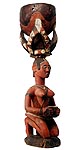
Figures
Catalog


BAGA/NALU
Banda
Headdresses

BAGA
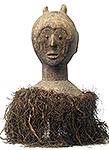
Head 1
$500


BAGA
Serpents
Catalog


BAGA/NALU
Banda
Headdresses


 BAGA
Nimba
Headdresses


BAGA
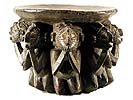
Stool
Archives


Photographs © Tim Hamill

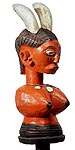
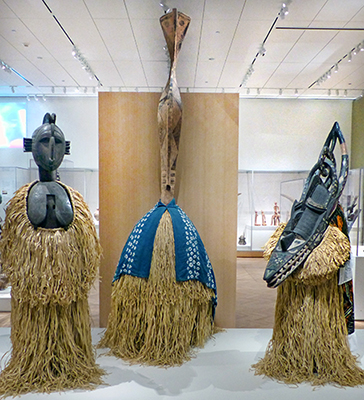
The Baga Sculpture exhibition opened with a thorough collection of the largest masks in traditional African art. The massive, boldly carved Nimba (great masks), worn over the head, weigh up to 80 Ibs. and are supported on the shoulders. They represent fertility and are used in agricultural ceremonies. The exhibit includes more than twelve of various sizes and regional styles.

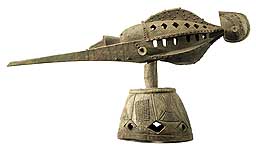
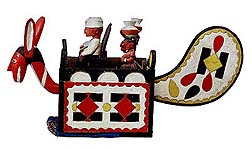
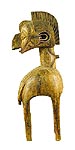
Tall Kakilambe (protective serpent figures), and two figures representing deities, are further evidence of the traditions and power of the governing Simo society. Elek, or Anok (shrine heads), symbols of lineage, are smaller works and are carved in two pieces. Also from Guinea in West Africa are five impressive Banda masks, from the neighboring Nalu peoples. Worn horizontally on top of the head, the masks combine several animal and human features in a very complex painterly and sculptural form.

We recommmend Art of The Baga: A Drama of Cultural Reinvention by Frederick Lamp (Museum for African Art/Prestel).

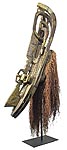
BAGA / NALU, BANDA MASK, Guinea

These large, horizontally worn masks, Banda, are used by the nearby and closely related Nalu people. The masks blend features of crocodiles, antelopes, sharks and humans in a very complex, Baroque style. They symbolically guard households, crops and even entire villages. They appear in harvest ceremonies.

BAGA, NIMBA GREAT MASK, Guinea

The most important of the Baga art forms is the great mask, or Nimba. It represents the mother of fertility, protector of pregnant women, and presides over all agricultural ceremonies. The dancer, wearing a full raffia costume, carries the mask on his shoulders, looking out through holes between the breasts. In use, such masks rise more than eight feet above the ground; they often weigh more than eighty pounds. Most show a standardized pattern of facial scarification.

GO TO BAGA SERPENTS 1 PAGE (1-20)

GO TO BAGA SERPENTS 2 PAGE (21-40)

GO TO BAGA SERPENTS 3 PAGE (41-60)

GO TO PAINT! EXHIBITION PAGE

GO TO AFRICAN ANIMALS PAGE

GO TO AFRICAN FIGURES PAGE

GO TO MONUMENTAL MASKS PAGE

GO TO MASKS AND HEADS PAGE

GO TO NEW ADDITIONS PAGE

HOMEPAGE

 Index by
TRIBE

 Index by
OBJECT

CONTACT US