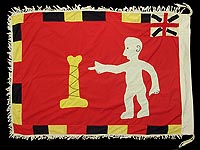
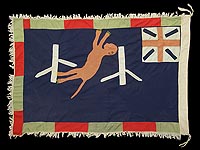
The flags below have all been SOLD and are left here for reference and educational
purposes.
For UNSOLD Asafo Flags please go to: FANTE
ASAFO FLAGS 3
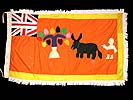 ASAFO FLAG 13 SOLD |
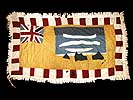 ASAFO FLAG 14 SOLD |
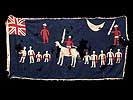 Asafo Flag 21 SOLD |
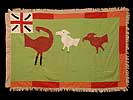 Asafo Flag 22 SOLD |
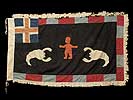 Asafo Flag 26 SOLD |
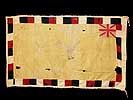 Asafo Flag 35 SOLD |
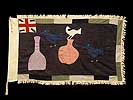 FANTE Asafo Flag 36 SOLD |
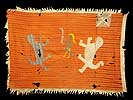 Asafo Flag 37 SOLD |
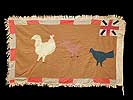 Asafo Flag 38 SOLD |
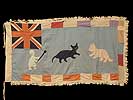 Asafo Flag 23 32 x 58" SOLD |
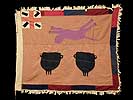 Asafo Flag 24 38 x 46" SOLD |
 Asafo Flag 25 37" x 56" SOLD |
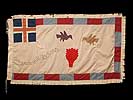 Asafo Flag 28 35 x 58" SOLD |
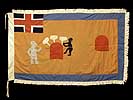 Asafo Flag 29 36 x 59" SOLD |
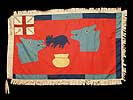 Asafo Flag 31 34 x 53" SOLD |
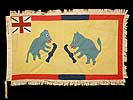 Asafo Flag 33 35 x 57" SOLD |
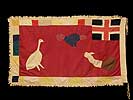 Asafo Flag 41 36 x 60" SOLD |
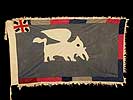 Asafo Flag 40 36 x 63" SOLD |
Asafo Flag 21 SOLD |
Asafo Flag 22 SOLD |
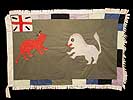 Asafo Flag 32 SOLD |
| Asafo Flag 26 SOLD |
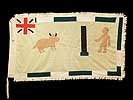 Asafo Flag 30 SOLD |
Asafo Flag 35 SOLD |
FANTE Asafo Flag 36 SOLD |
Asafo Flag 37 SOLD |
Asafo Flag 38 SOLD |
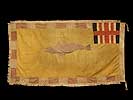 Asafo Flag 42 SOLD |
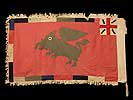 Asafo Flag 27 SOLD |
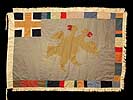 FANTE Asafo Flag 39 SOLD |
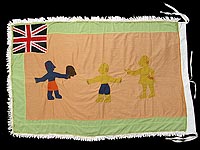
Asafo Flag 43 41" high x 62" wide SOLD |
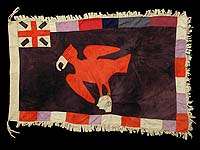
Asafo Flag 44 35" high x 51" wide SOLD |
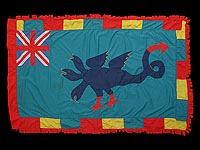
Asafo Flag 48 37" high x 57" wide SOLD |
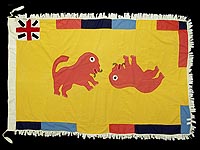
Asafo Flag 49 40" high x 59" wide SOLD |
These flags below were acquired from a former gallerist in Santa Fe who purchased them in the late 1980s..
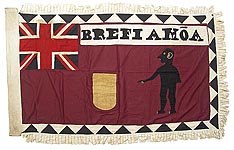
Asafo Flag 61 40" high x 63" wide SOLD |
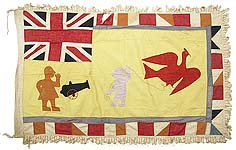 FANTE Asafo Flag 62 40" high x 60" wide SOLD |
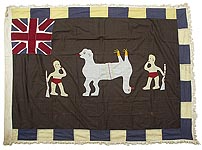 FANTE Asafo Flag 63 41" high x 57" wide SOLD |
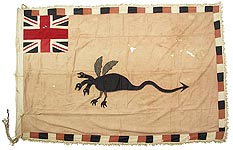
Asafo Flag 64 41" high x 61" wide SOLD |
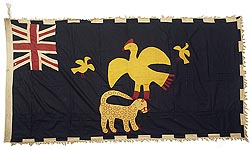
Asafo Flag 65 36" high x 69" wide SOLD |
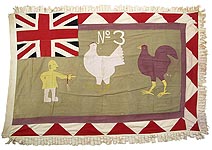
Asafo Flag 66 46" high x 67" wide SOLD |
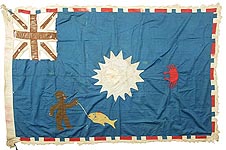
Asafo Flag 67 38" high x 59" wide SOLD |
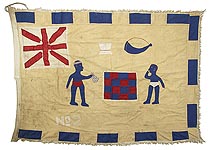
Asafo Flag 68 40" high x 58" wide SOLD |
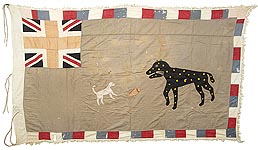
Asafo Flag 69 37" high x 62" wide SOLD |
FANTE, ASAFO FLAGS, Ghana
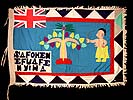
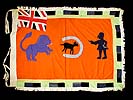
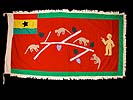
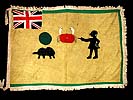
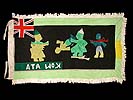
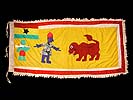
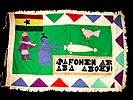
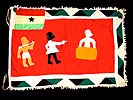
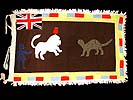
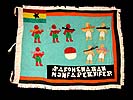
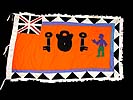
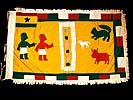
Among the Fante people of coastal Ghana military companies known as Asafo, began in the past as groups to which men and in some instances women could belong. Most Fante coastal towns had at least one company and larger towns up to ten or fourteen leading to rivalries and conflicts. These companies were politically engaged in the selection of chiefs and identified religiously to their particular military shrine (pousban) that served as a gathering place and centers of activity for these Asafo companies. Each local company is identified by a particular name and number and through a set of symbols displayed prominently on their flags. Commenting upon Asafo flags (frankaa) in the late 17th century Europeans noted the distinct imagery of the flags. These motifs served to identify the Asafo company by giving visual form to the creed by which it wished to be known. Verbal proverbs are given imaginative visual forms by different colored cutout figures appliquéd upon cotton square approximately a meter by a meter and a half in size onto cotton cloth that was generally produced in European weaving mills. The edges were often cut to produce a serrated edge that was decorative and lively. Asafo flags have a rough system that can be used to define the date of origin with the British ensign often featured on flags before Ghana achieved independence in 1957. Therefore Asafo flags with the Ghanaian ensign in one of the corners indicate that the flag was put together post-independence and thereby after 1957.
---Dan Mato, Professor Emeritus of Art History, The University of Calgary
TRIBE |
OBJECT |