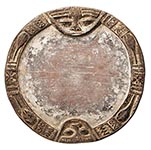
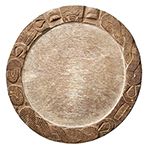
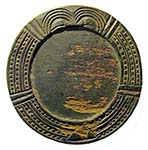
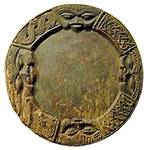
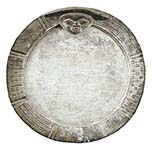
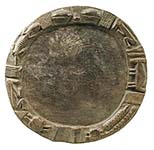
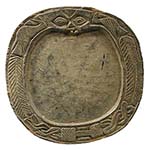
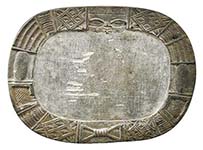
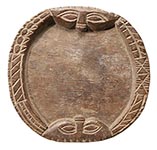
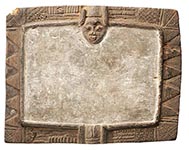
YORUBA DIVINATION TRAYS, NIGERIA
Photographs © Hamill Gallery
YORUBA DIVINATION TRAYS, Nigeria
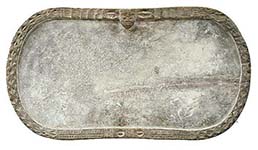
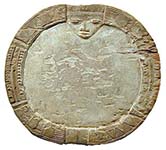
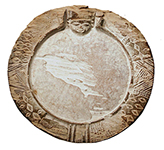
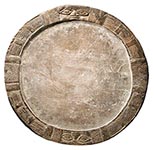
All of these divination trays have been vetted as being authentic, most
with significant signs of use and age.
Divination (Ifa) is practiced to explain misfortunes and help
to prevent them. In western Africa, the Yoruba people of Nigeria and Benin
use a decorated tray for divination. This round, rectangular, or half-moon-shaped
board is carved with geometric and animal motifs and one or more images
of Eshu, the Yoruba trickster deity, who is thought to deliver messages
to and from the spirit world. The divining process begins by covering the
board with white chalk. The diviner then throws palm nuts onto the board
and interprets the markings they make on its surface.
GO TO YORUBA
EXHIBITION PAGE
GO TO YORUBA ART PAGE
GO
TO YORUBA DIVINER'S BAGS PAGE
GO TO YORUBA, IFA
DIVINATION BOWLS PAGE
GO TO YORUBA,
IFA DIVINATION TAPPERS PAGE
GO TO AFRICAN ARTIFACTS PAGE