
This page is a record of an exhibit that took place in 2004. The individual links below will take you to the CURRENT VERSION of the pages that formed part of that exhibit. |
Our From the Grasslands, (or Grassfields) exhibit offers an array of expressive objects ranging from Bamun houseposts featuring wide-eyed heads deeply carved into eight foot poles to Bamileke stools with beaded lizards chasing one another around an elaborate base.
The Grasslands is a large cultural area located in central Cameroon inhabited by a number of related peoples including the Bamun, the Bamileke and the Bamenda Tikar. Within these complexes are numerous smaller ethnic groups whose members pay allegiance to their chief (Fon). Statuary often represents the Fon and many types of meticulously beaded objects are related to his investiture.
These peoples reserve their highest allegiance for their lineage ancestors whose spirits are embodied in the skulls of the deceased. Recognizing the importance of the skull, representations of the head are found in nearly all decorated ceremonial and utilitarian objects.
Animal imagery abounds in the art of the Grasslands. The buffalo and the elephant, representing strength and stamina, are found on Bamun masks which are not made to cover the face but instead top a bamboo cage covered by palm fibers which conceal the head of the wearer. Admiring her creativity and her intelligence, the Bamileke incorporate the spider into their elegantly carved beds and stools. Living underground, the spider also provides an important link to the deceased ancestors and is thus doubly venerated. Leopards, lizards, birds and a few lively but unidentifiable animals are portrayed on a wide array of bright, beaded objects on display.
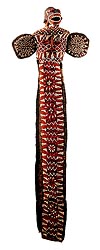
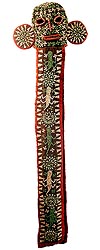
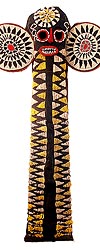
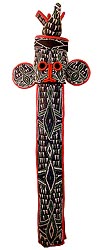
Textiles from the Grasslands include resist-dyed indigo Ndop cloths used by the Bamun both as clothing and to demarcate ritual spaces. Colorful Bamileke elephant masks have beaded faces and round ears sewn onto dark panels of cloth lined with Ndop.
A word on attribution: Except in very clear cases it is often difficult to accurately identify the specific kingdom from which a piece comes. We have chosen to catalog many works under the general Bamileke or Bamun names, but will attempt to be more specific on individual pieces.
For additional information, we suggest Expressions of Cameroon Art: The Franklin Collection, by Tamara Northern (1986, Rembrandt Press) and The Voyage of King Njoya's Gift: A Beaded Sculpture from the Bamun Kingdom, Cameroon, in the National Museum of African Art, by Christraud M. Geary (1994, Smithsonian Institution).
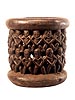
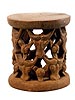
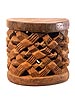
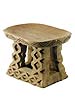
Most Bamileke art (and the work of other kingdoms of the Cameroon Grasslands) relates to kings and important chiefs, who defined their power by the display of prestige objects during important ceremonies.
Stools were among the most important of these objects. They were a symbol of royal office and the seated posture conveyed confidence and security of command. The motifs include leopards, human figures and heads, spiders, lizards and other subjects plus abstract designs. The spider, often found abstracted in repeating patterns,is a symbol of wisdom. The leopard; cunning, fast, mobile and guardedly aggressive, signifies the ability to survive and is the most important royal icon, often even the king's alter ego. Figures, or caryatids, supported both literally and figuratively, the royal personage.
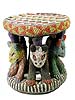
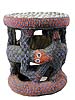
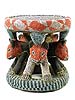
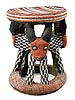
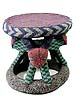
Glass beads embellish the most important royal stools.
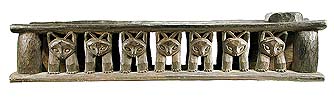
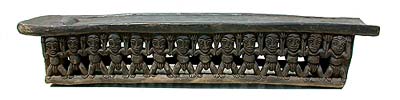
Beds, like stools were among the most important of these objects. Figures, or caryatids, supported both literally and figuratively, the royal personage.
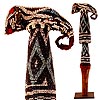
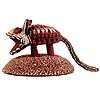
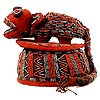
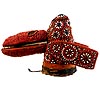
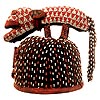
Glass beads embellish the most important royal objects. Most of these beaded objects formed a cap or headdress.
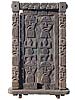
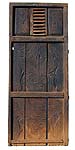
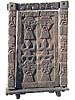
The Bamileke are better known for their masks, stools and beadwork but the two small doors with doorframes are typical and are mounted in the wall about two feet off the ground. The door lifts out; its like the upper half of a "French" door.
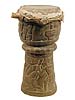
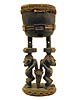
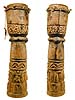
Drums are among the most important art forms in Africa, used both as a musical instrument and as a work of sculpture significant in many ceremonial functions, including dance, rituals, story-telling and communication of messages.Six Bamileke drums, embellished with low relief carving of figures, animals and objects show the creativity and power the Bamileke put into functional objects. One unusually complex form seems to be a hybrid of styles.
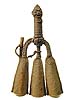
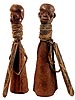
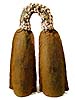
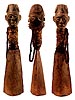
These are functional gongs struck by wood sticks. The double iron gongs were the authorative voice of the Kwifoyn, the male regulatory society. They were the sacred instrument and emblem of that organization's power. Their governing complex was usually next to the royal palace and they worked with the king to rule.
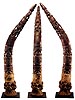
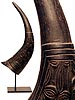
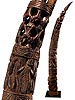
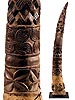
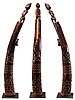
Prestige drinking horns were a man's most important personal article. Trumpets, made from horn or carved from wood, were used ceremonially for their sound. The largest were displayed as an arch through which the king appeared.
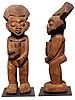
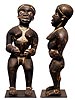
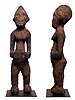
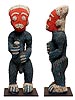
These royal ancestor figures were not worshipped but were honored and cared for. They were displayed for prestige during ceremonies. All are expressive like their masks and, as in much Bamileke art, numbers 3 and 4 are further embellished with beads.
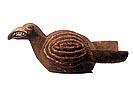
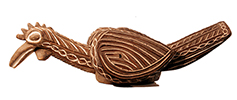
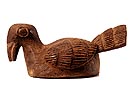
These cap masks were worn on the top of the head were a part of ritual dance sequences. Their rank, however, was beneath that of the leopard and elephant, royal icons, and the buffalo.
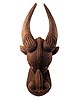
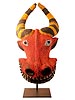
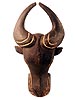
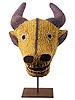
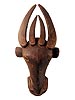
Buffalos, large game animals with massive bodies, were associated with power, and buffalo masks, worn on the top of the head, were an important part of every ritual dance sequence. Their rank, however, was beneath that of the leopard and elephant
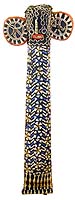
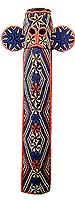
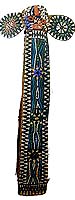
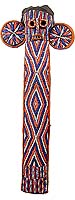
BAMILEKE, BEADED ELEPHANT MASKS
These masks, with beads carefully embroidered onto cloth take the form of an important royal icon, the elephant, with its long trunk and large ears. The patterns on the front and back panels suggest another royal icon, the leopard. The display of wearing these richly embellished masks and other regalia at court ceremonies was the best evidence of the wealth of a Bamileke kingdom.
Some of the old masks have lost beads, others, being newer, are all intact. On some, uneven lighting causes the top to be too light. The color is most accurate in the closeups and enlargements.
BAMILEKE, BEADED ELEPHANT MASKS 2
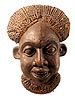
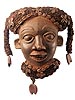
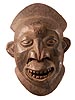
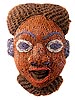
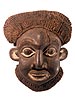
The Bamileke reserve their highest allegiance for their linear ancestors
whose spirits are embodied in the skulls of the deceased. Recognizing the
importance of the skull, representations of the head are found in nearly
all decorated ceremonial objects including these expressive masks.
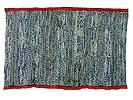
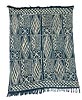
Resist-dyed indigo Ndop cloth is used by all the peoples of the Grasslands both as clothing and to demarcate royal ritual spaces.
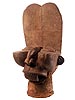
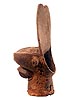
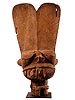
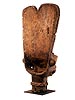
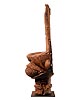
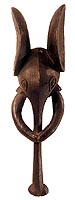

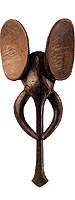
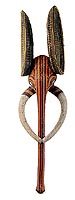
Elephant masks, worn on the top of the head, were an important part of every ritual dance sequence. The elephant was a royal icon and the masks were owned by lineage groups. Their importance was second only to the leader mask and was danced last, in a very stately manner, befitting its high rank.
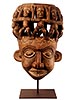
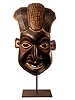
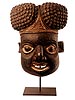
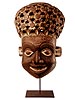
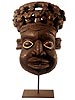
These helmet masks depict males of noble lineage and represent power and authority. Rank and other information is conveyed by the noble coiffures, double-lobed knitted caps and ornate crests using various motifs restricted to royalty.
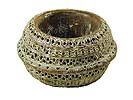
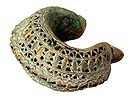
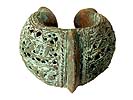
These copper alloy forms, made by the lost wax process, were recognized and used as currency for rare but major occasions.

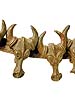
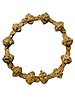
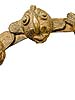
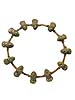
These brass collars with buffalo or human heads were originally part of the Fon's (king) personal regalia. Other title holders could also own them. These examples were probably made long after the forced abdication and death of King Njoya in 1933. See Art of the Cameroon, by Tamara Northern.
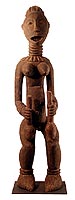
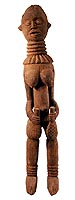
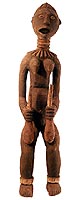
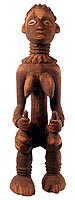
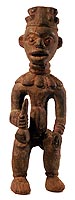
Memorial figures were carved of titled royal wives or princesses, and are often refered to as Bangwa Queens. Their royal status was defined by their collars, necklaces, loin strings and anklets and are usually depicted dancing and singing as at a funeral for a king. They were also honored as priestesses of the earth cult and were displayed lining the verandas of royal residences. The male figures were their partners and would be displayed at meetings of the Kwifoyn, or regulatory society.
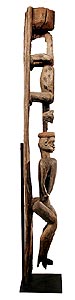
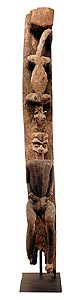
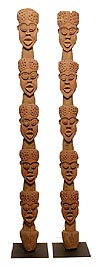
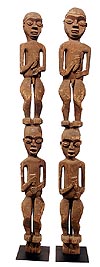
In almost all Grasslands(Grassfields) kingdoms, the palace has carved pillars supporting the roof overhangs and an ensemble of door posts (jambs), lintels and sills framing the entrance, as well as the interior doorways facing the open courtyards.
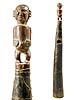
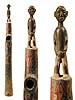
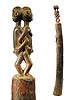
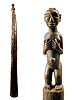
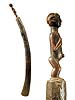
Horns, trumpets and other aerophone instruments are among the important art forms in Africa, used both as a musical instrument and as a work of sculpture significant in many religious and secular ceremonial functions. These examples from the Tikar people incorporate the human form as the finial of the instrument.
TRIBE |
OBJECT |